

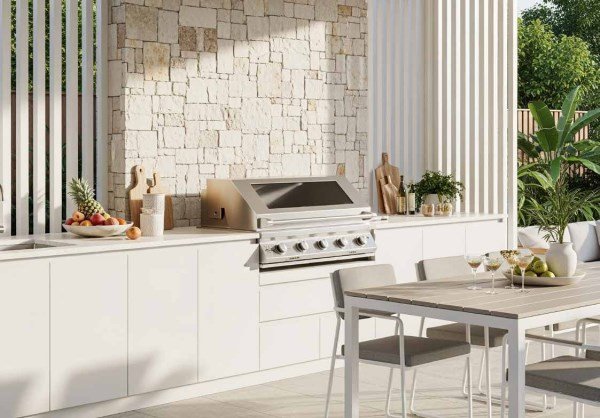
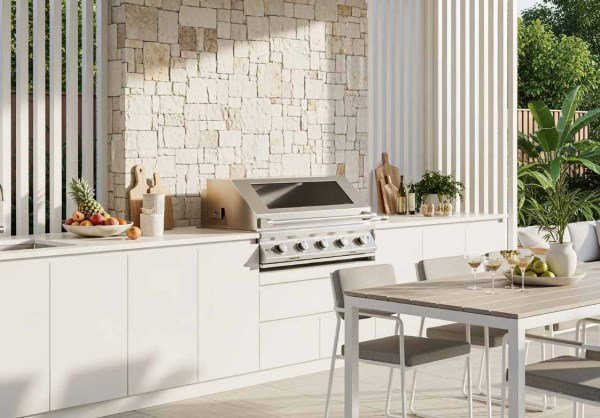
Designing outdoor entertaining spaces has become a defining feature of modern home construction, particularly in Australia where climate and lifestyle naturally lend themselves to alfresco living. For builders, delivering a thoughtfully designed outdoor area is no longer optional—it is a key selling point that can significantly influence buyer decisions and overall property value. Today’s homeowners expect more than a simple patio; they want a fully functional extension of their indoor living space that supports cooking, dining, and relaxation year-round.
Functional layout
A successful outdoor entertaining space begins with a functional layout and clear zoning. Builders should approach these areas in the same way they would an internal kitchen or living room. Dividing the space into zones—such as cooking, preparation, dining, and lounging— ensures a natural flow and usability. Positioning the outdoor area adjacent to the indoor kitchen also improves practicality, allowing for easy movement between spaces while still encouraging outdoor use.
At the heart of any outdoor entertaining area is the built-in barbecue. This is often the central feature and a major drawcard for buyers. Built-in barbecues offer a seamless, premium look that integrates with cabinetry and benchtops, elevating the overall aesthetic of the space. Unlike portable units, they are designed for durability and long-term use, typically featuring stainless steel construction, multiple burners, and gas connectivity. Many homeowners are also seeking additional cooking options such as side burners, pizza ovens, or smokers, which can be incorporated into a larger outdoor kitchen design.
Equally important is the inclusion of an outdoor-rated bar fridge. Outdoor beverage access makes entertaining easier by avoiding repeated trips indoors. Outdoor bar fridges are specifically designed to withstand higher ambient temperatures and fluctuating weather conditions. Builders should ensure these appliances are properly integrated into cabinetry with adequate ventilation, ideally positioned near the dining or bar area for easy access.
Adding a sink and tapware significantly enhances the functionality of an outdoor space. This inclusion allows for food preparation, washing utensils, and general cleaning without relying on indoor facilities. Stainless steel or corrosion-resistant tapware is essential to ensure durability in exposed conditions.
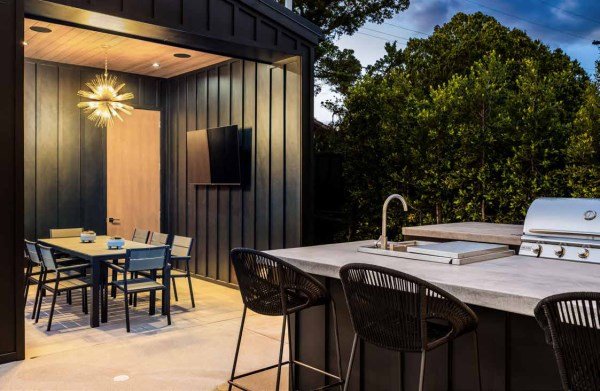
Adding hot and cold water connections makes the space as functional as a full indoor kitchen.
Storage is another critical element that is often underestimated. Outdoor cabinetry provides a place to store cooking utensils, cleaning supplies, and serving ware, helping to keep the area organised and clutter-free. Builders should opt for weather-resistant materials such as marine-grade polymer or powder-coated aluminium, with sealed drawers and soft-close mechanisms to protect contents from the elements.
Protection
Weather protection plays a vital role in ensuring the space can be used throughout the year. Covered alfresco areas, insulated patio roofs, or adjustable louvre systems allow homeowners to entertain regardless of weather conditions. In regions with strong sun exposure, adequate shading is essential, while protection from rain extends usability during wetter seasons. This transforms the outdoor area from a seasonal feature into a permanent living space.
Comfort is further enhanced through heating, cooling, and ventilation solutions. Outdoor ceiling fans are particularly effective in warm climates, improving airflow and reducing heat buildup. For cooler months, integrated outdoor heaters can extend the usability of the space. Proper ventilation is also essential, particularly around cooking areas, to manage smoke and maintain air quality.
Lighting is another key consideration that contributes to both functionality and ambience. A layered lighting approach works best, combining task lighting for cooking areas, ambient lighting for general illumination, and feature lighting to highlight architectural elements. Well-planned lighting ensures the space remains usable at night while creating an inviting atmosphere for entertaining.
Seating and dining arrangements should be designed with flexibility in mind. Built-in bench seating, outdoor dining tables, and bar-style seating at island benches all contribute to a versatile space that can accommodate both small gatherings and larger events. Builders should consider how the space will be used and ensure there is adequate room for movement and interaction.
Smart integration
Modern outdoor entertaining spaces also benefit from electrical and smart integration. Including power outlets allows for the use of additional appliances, while USB charging points, integrated speakers, and smart lighting systems enhance convenience and user experience. Planning these elements during construction is far more efficient than retrofitting them later.
Finally, material selection is crucial to the longevity and performance of the outdoor space. Durable, weather-resistant materials such as stainless steel, natural stone, and composite decking are ideal for withstanding exposure to sun, rain, and temperature fluctuations.
Choosing high-quality finishes not only reduces maintenance but also ensures the space retains its visual appeal over time.
A successful outdoor entertaining space is one that combines functionality, durability, and aesthetic appeal. For builders, incorporating essential inclusions such as built-in barbecues, bar fridges, sinks, storage, and climate control solutions can significantly enhance the value and desirability of a new home. By treating the outdoor area as a true extension of the interior and designing it with the same level of care and detail, builders can meet the growing demand for lifestyle-focused living and create spaces that homeowners will enjoy for years to come.