

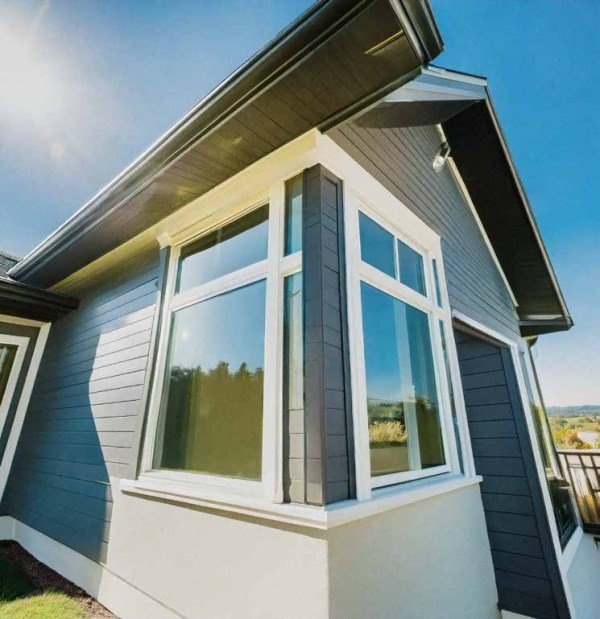
Modern homes are increasingly designed with sustainability and energy efficiency in mind. Large windows and open-plan layouts maximise natural light, but they can also introduce excessive heat—particularly in warmer climates.
Window tinting helps regulate indoor temperatures by reducing solar heat gain. By limiting the amount of heat entering the home, it decreases reliance on air conditioning systems, leading to lower energy consumption and reduced utility bills. Over time, this translates into significant cost savings, making tinting a smart financial investment from the outset.
Reducing Long-Term Cooling Costs
Cooling expenses can account for a substantial portion of household energy use. Without proper solar control, homes with expansive glazing can quickly become uncomfortable and expensive to maintain.
Protecting Interiors and Finishes
A new home is a significant investment, and protecting interior finishes is essential. Prolonged exposure to sunlight can cause fading and deterioration of flooring, furniture, artwork, and cabinetry.
Window tinting acts as a protective barrier by filtering out harmful UV rays. This helps preserve the appearance and longevity of interior materials, reducing the need for premature replacements or repairs. For homeowners, this means maintaining the aesthetic value of their property for longer with minimal additional expense.
Improving Comfort and Liveability
Glare is another common issue in modern homes, especially those with large windows or north- and west-facing aspects. Excessive brightness can make everyday activities such as working, watching television, or using digital devices uncomfortable.
Tinted windows reduce glare while maintaining visibility, creating a more comfortable living environment. Additionally, they contribute to a consistent indoor temperature, eliminating hot spots near windows and improving overall comfort throughout the home.
Enhancing Privacy and Security
Privacy is crucial in residential design, especially where homes are close together in urban or suburban areas.
Certain window films provide daytime privacy by limiting visibility from the outside while maintaining clear views from within. Additionally, some films offer added safety benefits by strengthening glass and reducing the risk of shattering. This can be particularly valuable in family homes, providing an extra layer of protection.
Cost-Effective When Integrated During Construction
While window tinting can be added after a home is completed, incorporating it during the build phase is often more efficient and cost-effective. Builders can coordinate installation alongside glazing, reducing labour costs and avoiding the inconvenience of retrofitting.
Moreover, including tinting as part of the initial design ensures a cohesive approach to energy efficiency and comfort, rather than treating it as an afterthought.
A Smart, Future-Focused Investment
As energy prices continue to rise and sustainability becomes a priority for homeowners and buyers alike, features that improve efficiency and comfort are increasingly valued in the property market.
Window tinting is a relatively low-cost inclusion that delivers measurable benefits over the life of the home. From reduced energy bills and improved comfort to enhanced protection and privacy, it represents a practical upgrade with lasting returns.
Incorporating window tinting into new home builds is a strategic decision that aligns with modern expectations of efficiency, comfort, and sustainability. By addressing heat, glare, and UV exposure at the source, homeowners can enjoy a more comfortable living environment while reducing long-term costs.
For builders, designers, and homeowners alike, window tinting is not just an optional extra—it is a smart, forward-thinking inclusion that adds real value from the very beginning.