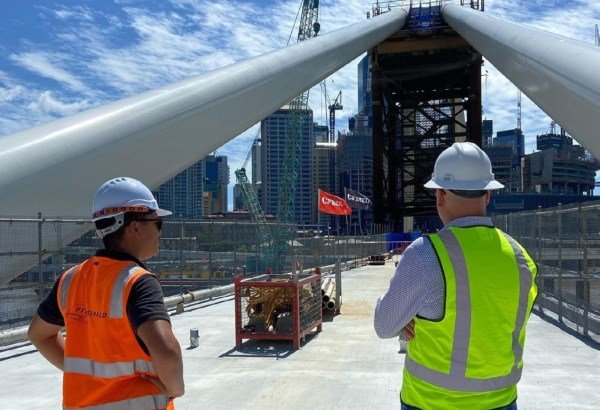
In today’s construction landscape, managing risk and meeting compliance standards isn’t just about fulfilling legal obligations—it’s an opportunity to build resilience, safeguard reputation, and optimise operations.
As projects grow in complexity, construction firms need to approach compliance and risk management as strategic tools that enhance safety, control costs, and maintain smooth project workflows. Here’s a closer look at how proactive risk and compliance strategies can turn potential challenges into lasting value.
Compliance as a Strategic Advantage
Compliance in construction can often seem like a maze of evolving regulations. But beyond avoiding fines or shutdowns, integrating compliance into operations offers a strategic edge. Firms that align safety and regulatory practices with project goals minimise legal risks, improve efficiency, and foster a culture of safety —ultimately leading to a healthier, safer workplace.
Actionable Strategies:
• Implement Regular Audits and Preemptive Reviews: Routine audits and safety reviews allow teams to spot potential gaps and address them proactively. Consistently updating compliance frameworks helps projects stay in line with both local and national standards.
• Embrace Technology for Streamlined Compliance: New technologies can simplify compliance processes, making it easier to maintain documentation, track updates, and ensure standards are upheld without slowing down projects.
Proactive Risk Management: Cost Control and Safety Enhancement
Every construction project involves a unique set of risks, from environmental factors to operational hazards. Addressing these risks head-on not only improves safety but can lead to significant cost savings by minimising incidents, insurance claims, and project delays. The key is embedding risk management at every project stage to ensure real-time responsiveness. This approach not only protects workers but also reinforces the shared industry commitment to ensuring that everyone returns home safely.
Actionable Strategies:
• Integrate Risk Assessments into Every Stage: Starting with project planning, a continuous assessment and updating of risk strategies helps manage emerging risks and mitigates potential incidents. By embedding these practices from the ground up, construction teams can respond to challenges dynamically.
• Quantify Cost Benefits of Risk Reduction: Fewer incidents lead to fewer compensation claims, lower insurance premiums, and less downtime. Firms can measure and demonstrate how risk reduction efforts benefit the bottom line, transforming safety from a regulatory necessity into a financial asset.
Considering External Expertise to Boost Internal Capabilities
For many construction companies, achieving seamless compliance and risk management can be challenging, especially when faced with limited internal resources or a shift in the company’s risk profile. In these cases, leveraging external expertise can provide valuable, impartial support. When activities increase risk, or during times of significant organisational change, external consultants offer fresh perspectives and the capability to handle complex tasks efficiently. Additionally, having an independent, unbiased view of compliance and safety practices helps companies maintain accountability while allowing internal teams to focus on core project execution.
Building a Safety-Focused, Culturally Cohesive Workforce
The construction industry is experiencing a shift toward creating workplaces that are not only physically safe but also culturally inclusive and aligned. When teams are culturally aware and adhere to safety protocols as a shared commitment, project cohesion, efficiency, and trust improve, while turnover and incidents decline. This alignment supports the greater goal of fostering workplaces where safety is embedded in every action, ensuring that workers’ wellbeing remains paramount.
Actionable Strategies:
• Integrate Safety and Cultural Alignment in Training Programs: Tailoring training to emphasise both safety and cultural alignment ensures that all team members share a commitment to safe practices. Culturally cohesive teams are more efficient, encounter fewer misunderstandings, and adhere more closely to safety protocols.
• Build Trust through Transparent Communication: Clear, consistent communication about safety and compliance expectations builds a foundation of trust. When everyone understands the “why” behind safety measures, they’re more likely to adopt them as best practices, leading to fewer disruptions and a safer work environment.
Real Financial Gains from Compliance and Risk Management
Effective compliance and risk management aren’t just about avoiding negative outcomes— they bring real financial benefits. Preventing even one major incident or fine can lead to savings that impact the overall budget significantly, supporting companies as they maintain a strong safety record. Most importantly, these practices ensure that the ultimate goal of every construction project—a safe and healthy workplace—is achieved, reinforcing the industry’s dedication to protecting its workforce.
Key Takeaways:
• Lower Insurance Costs through Safer Practices: A safety-first approach lowers the likelihood of claims, resulting in reduced insurance premiums.
• Avoid Costly Delays: Fewer incidents mean fewer interruptions, which allows projects to stay on schedule and within budget.
• Strengthen Reputational Value: Companies known for their strong compliance and safety records are more attractive to clients and partners, facilitating better project approvals and future business opportunities.
By making compliance and risk management a part of their core strategy, construction companies can see measurable improvements not only in safety but also in efficiency and profitability—creating a more resilient and competitive business model for the long term. At its heart, this approach fosters a culture of safety and care, prioritising the wellbeing of workers and ensuring they can return to their families without harm, which is what truly matters most.
Contact Gareth Davies, Managing Director
M: 0477 777 044