

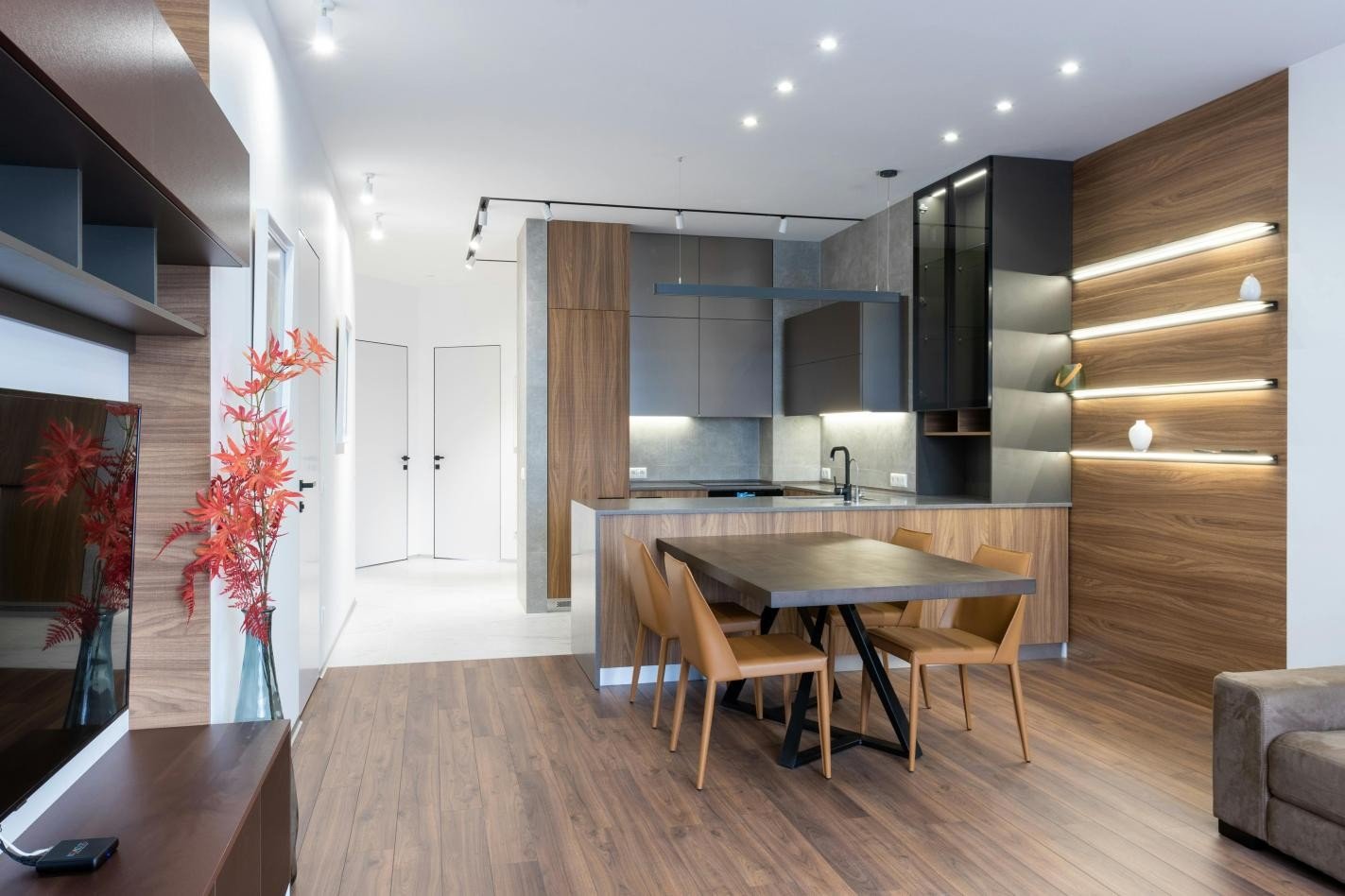
The housing landscape in Australia has been evolving rapidly, and one of the most significant shifts in recent years is the growing interest in modular construction. Traditional homebuilding methods often involve long timelines, unpredictable costs, and a high level of on-site disruption, factors that have driven many Australians to explore alternative approaches.
Modular homes, which are prefabricated in controlled factory environments before being assembled on-site, are emerging as a practical solution to these challenges. The trend is not only driven by efficiency and affordability but also by a desire for sustainable living and innovative design. As Australians continue to seek housing options that align with their lifestyle and environmental values, modular homes in Australia are gaining unprecedented popularity, redefining what modern homeownership can look like.
Efficiency and Speed of Construction
One of the primary reasons modular homes are gaining traction is the speed at which they can be constructed. Unlike conventional homes, where construction timelines are often extended due to weather delays, labour shortages, or logistical setbacks, modular homes are built in factories with tightly controlled schedules.
This process allows multiple components of a house to be constructed simultaneously rather than sequentially, dramatically reducing overall build time. Many homeowners report that modular homes can be completed in weeks rather than months, enabling faster occupancy and reduced financing costs. This efficiency not only appeals to first-time buyers eager to move into their dream homes quickly but also suits investors and developers looking to streamline project timelines.
Cost-Effectiveness and Predictability
Cost predictability is another major advantage driving the popularity of modular homes. Traditional construction often comes with hidden expenses and unexpected overruns, leaving homeowners stressed over budget management. Modular homes, by contrast, are largely built in factory conditions with pre-negotiated material costs and streamlined processes, minimizing unforeseen expenditures.
The ability to forecast total project costs with greater accuracy makes beautiful modular homes in Australia a financially attractive option for a wide range of buyers, from young families to retirees seeking stable investment in their housing. Additionally, the efficient use of materials in factory settings reduces waste, which not only saves money but also supports more sustainable construction practices.
Design Flexibility and Customisation
Contrary to some misconceptions, modular homes are not restricted to uniform or simplistic designs. Modern prefabrication allows for significant customization, with homeowners able to select layouts, finishes, and structural features that suit their preferences and site conditions.
Architects and builders are increasingly offering modular solutions that incorporate open-plan living, energy-efficient features, and contemporary aesthetics, ensuring that modular homes can rival traditional builds in both style and functionality. This design flexibility is particularly appealing in Australia, where diverse climates and regional preferences demand adaptable home solutions. The ability to combine speed, efficiency, and personalized design has made modular homes a compelling choice for those seeking a modern living experience without compromise.
Environmental Sustainability
Sustainability has become a key consideration for Australian homeowners, and modular homes naturally align with green building principles. Factory construction minimizes on-site waste, while materials can be sourced responsibly and recycled where possible.
Many modular designs also integrate energy-efficient systems, including solar panels, water-saving fixtures, and advanced insulation, reducing both the environmental footprint and ongoing utility costs. As awareness of climate change and environmental responsibility grows, the eco-friendly nature of modular homes makes them an attractive alternative to conventional housing, particularly for environmentally conscious buyers who want to invest in long-term sustainable living.
Growing Acceptance and Market Expansion
Finally, the increasing popularity of modular homes can be attributed to broader acceptance within the Australian property market. Government incentives, regulatory support, and positive media coverage have helped reduce skepticism around prefabricated housing. Developers are expanding modular offerings to meet rising demand, and the success stories of high-quality, affordable modular homes have shifted public perception. In addition, the flexibility of modular construction allows for rapid adaptation to urban infill projects, regional developments, and custom residential solutions, making it a versatile option for diverse housing needs across the country.
Modular homes are gaining prominence in Australia due to a combination of speed, cost efficiency, design flexibility, environmental sustainability, and growing market acceptance. These homes address many of the challenges associated with traditional construction while offering modern, adaptable living solutions for a variety of lifestyles.
As the housing market continues to evolve and Australians increasingly prioritize efficiency, affordability, and eco-consciousness, the appeal of modular homes is set to expand further, reshaping the way people think about homeownership and construction in the 21st century.
https://www.e-architect.com/articles/modular-homes-in-australia