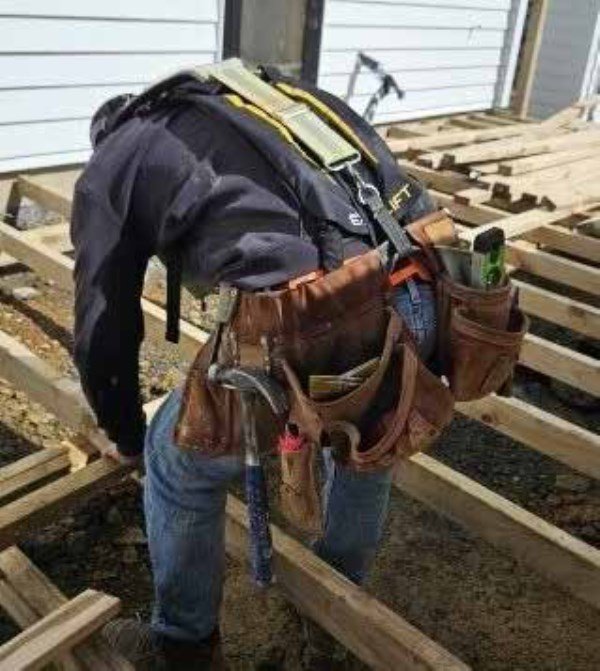
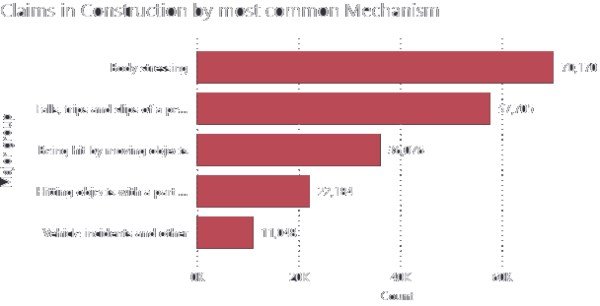
The construction industry has always been one of the most physically demanding trades. Long hours spent bending, lifting, climbing, and working in awkward positions take a toll on the body. Body strains such as back injuries, strains, sprains, and joint wear are still the leading causes of lost time and compensation claims across construction. And while the culture has long leaned on the “she’ll be right” attitude, that mindset is shifting.
Today, tradies and employers alike are recognising that technology isn’t just about efficiency on the job—it’s also about protecting workers and extending careers. Enter exoskeletons: wearable, lightweight supports designed to take the strain out of the hardest parts of the job. Once dismissed as futuristic, exoskeletons are now affordable, proven, and rapidly becoming part of standard workplace safety.
What Is an Exoskeleton?
An exoskeleton is a wearable frame that works with the body to reduce strain, support posture, and make loads feel lighter. Unlike robotics, they don’t replace the worker—they support them. In practical terms, this means a roofer leaning over tiles all day, or a carpenter lifting beams, can do the same tasks with far less fatigue.
Research shows exoskeletons can cut injurycausing bends by up to 75%, reduce sprains and strains by 30%, and bring downtime and absenteeism down by a quarter. At the same time, productivity can increase by 16%, and retention by 20%. These are not small numbers—they directly address two of the biggest challenges facing the industry: injuries and labour shortages.
Real-World Results
One commercial shrink-wrapping company has had their team using exoskeletons for three years. Workers reported more endurance, quicker recovery, and noticeably less fatigue. Importantly, they embraced the technology from the beginning. For them, the difference wasn’t theoretical—it was felt at the end of every shift when their bodies weren’t as battered as before.
This example highlights a crucial point: mentoring, training, and safety talks are valuable, but they can only go so far. To keep people healthy and working longer, tradies need practical solutions that meet the physical demands of the job. Exoskeletons deliver that support in a way no pep talk ever could.
A Smarter Way to Attract and Retain Workers
Construction is currently grappling with a skills shortage. Employers are competing for talent, and younger workers are increasingly selective about where they want to work. Today’s workforce values safety, balance, and longevity. They want to travel, stay fit, and enjoy life outside the site. Unlike their older peers, they won’t accept chronic pain as part of the deal.
That means employers who embrace exoskeletons have a serious edge. Offering cutting-edge wearable tech signals that a company values its people. It reduces injuries and costs, yes—but it also helps attract and retain skilled workers in a competitive market. Given the choice between two employers, workers will gravitate to the one offering tangible support for their health.
The Insurance Advantage
It’s not just workers who benefit. Insurance companies are taking notice when employers adopt preventative technologies like exoskeletons. Demonstrating a proactive approach to reducing risk can translate into lower premiums and reduced overall expenditure. It’s a win-win: fewer injuries, healthier workers, and financial rewards for companies.
The Future of Work
It’s not hard to imagine a near future where exoskeletons sit alongside helmets, boots, and safety glasses as standard PPE. Passive exoskeletons in particular have become much more affordable, putting them within reach for all tradies. What once looked like science fiction is now practical, accessible, and ready for the job site.
The construction industry has long been resistant to change, but those who fail to adapt risk being left behind. Technology like exoskeletons isn’t about replacing workers—it’s about protecting them, extending their careers, and building stronger, more resilient businesses.
Evolve or Dissolve
The reality is simple: if you don’t evolve, you dissolve. Companies that embrace exoskeletons are investing not only in the productivity of their projects, but also in the health and wellbeing of their crews. They’re signalling to workers, insurers, and the industry at large that they are forwardthinking, competitive, and ready for the future.
Exoskeletons aren’t the stuff of sci-fi anymore. They’re here, they’re proven, and they’re changing the way tradies work—making the hardest jobs safer, smarter, and more sustainable.