

Australia’s construction sector stands at a crossroads. You’re watching traditional building methods struggle under the weight of labour shortages, escalating costs, and an unprecedented housing crisis.
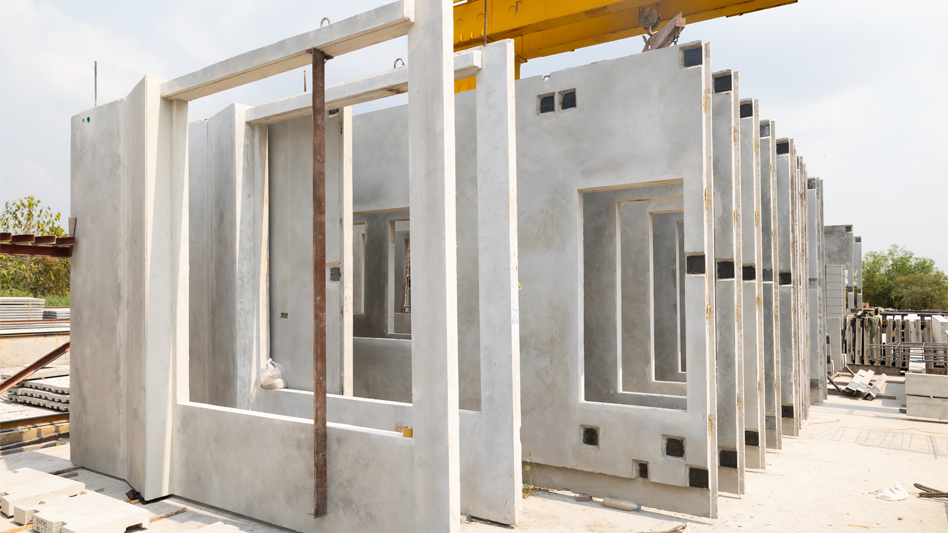
By 2026, modular building will shift from alternative to mainstream. The numbers tell the story. AMP estimates a current shortfall between 200,000 and 300,000 homes for the existing population alone. Add the National Housing Accord target of 1.2 million new homes by mid-2029, and you’re looking at a construction challenge that traditional methods simply can’t meet.
The Speed Advantage You Can’t Ignore
Time defines value in construction. Every week of delay costs money. Prefabricated homes are completed in 10 to 12 weeks compared to 18 months for traditional builds. That’s not a marginal improvement. That’s a fundamental restructuring of project timelines and cash flow. You’re seeing this play out in Victoria, where modular classrooms get built offsite and installed during school holidays. No disruption. No extended construction zones. Just completed buildings are ready for use. The practical benefit extends beyond speed. When you compress construction timelines, you reduce exposure to weather delays, material price fluctuations, and labour availability issues. Your project risk drops significantly.
The Cost Reality Driving Adoption
Construction costs in Sydney have surged 65% over the past decade. You’re paying more for the same square footage, and productivity hasn’t improved to justify it. Victoria’s modular initiatives demonstrate 20 to 30% cost reductions compared to traditional methods. That’s real money on every project. The Australian modular construction market sits at approximately USD 11.3 billion in 2024. Projections show it reaching USD 16.4 billion by 2033, expanding at a 4.22% compound annual growth rate. You’re watching capital flow toward efficiency.
Government Backing Changes the Game
The ACT Government actively considers modular and prefabricated homes as a pathway to deliver its target of 30,000 new dwellings by 2030. This includes potential use within the public housing system. Government adoption matters because it establishes standards, creates regulatory pathways, and validates the technology for private sector use. When governments commit to modular construction, three things happen. Building codes adapt to accommodate prefabricated systems. Financing structures evolve to support off-site construction. Skilled labour training programs align with factory-based building methods. You’re seeing policy catch up with practical necessity.
The Waste Reduction Factor
Traditional construction generates substantial waste. Materials get damaged on-site. Measurements get miscalculated. Weather affects stored materials. Modular construction happens in controlled factory environments. You order exact quantities. Victoria’s projects show significantly less waste than traditional building methods. That’s material cost savings and reduced disposal expenses. The environmental benefit aligns with tightening regulations around construction waste and sustainability requirements. You’re meeting compliance while cutting costs.
The Adoption Gap Represents Opportunity
Despite clear advantages, prefabrication currently represents less than 5% of Australia’s $150 billion construction industry. That gap tells you two things. First, a massive room exists for growth and market disruption. Early adopters position themselves ahead of the curve. Second, the industry still faces real barriers. Financing structures favour traditional construction. Regulatory frameworks lag behind technological capability. Skilled labour needs retraining for factory-based assembly. You’re looking at a transition period. The technology works. The economics make sense. The infrastructure needs time to catch up.
Industry 4.0 Integration Accelerates Change
Modular construction combines with robotics, AI, and digital design tools. You’re not just moving construction offsite. You’re automating significant portions of the building process. Digital design allows precise manufacturing tolerances. Robotics handle repetitive assembly tasks. AI optimises material usage and construction sequences. When you integrate these technologies with modular systems, you create a construction process that’s faster, cheaper, and more consistent than anything traditional methods can achieve.
What This Means for Your Projects in 2026
You need to evaluate modular options for projects starting in the next 18 to 24 months. The capacity exists now. The cost advantages are proven. The regulatory environment continues improving. Start with smaller projects to understand the process. Work with established modular manufacturers who have completed similar builds. Factor in the lead time for design and manufacturing. Key considerations for your planning. Design coordination happens earlier in the process. Site preparation needs completion before module delivery. Crane access and logistics require planning. Connection details between modules need careful engineering. The builders who adapt quickly to modular methods position themselves to take on more projects, complete them faster, and maintain better margins.
The Practical Path Forward
You don’t need to abandon traditional construction entirely. Modular systems work best for specific project types, including multi-unit residential, educational facilities, healthcare buildings, and worker accommodation. Evaluate each project on its merits. Some buildings suit traditional construction. Others benefit dramatically from modular approaches. The shift to modular construction isn’t about ideology. It’s about meeting Australia’s housing and infrastructure needs with the tools that work. By 2026, you’ll see modular systems integrated into standard construction practice across the country. The question isn’t whether modular construction becomes mainstream. The question is whether you’re positioned to benefit when it does.