
Ground-breaking design shows the future of sustainability
Nestled in the heart of Newtown, The ‘ImPossible House’ – a renovated worker’s cottage – shows that sustainable off-grid living is possible even in the most constrained urban environments. It also aims to demonstrate how all Australians can adopt more sustainable building and housing practices to reduce our impact on the environment and climate.
Lessons learned through design and construction process
Led by homeowner Dr Laura Ryan, The ImPossible House project also shares tips and lessons learned during the design and construction process, to help more people have the tools and information they need to create a more sustainable home.
“I started this journey in 2016 to help show what’s possible in sustainable living,” Dr Ryan said. “I have really tried to push the limits of sustainability with my home. It hasn’t been easy, and there have been hurdles along the way, but the rewards are worth it. I hope The ImPossible House inspires others to take steps – big or small – towards creating more sustainable homes, wherever they live.”
“All Australians can live more sustainably, but we need to make it easier and more affordable for people to make sustainable choices when building or renovating. While investing in a more sustainable home involves up-front costs, I have shown that ‘off-grid’ living is possible anywhere, and that the payback period can be minimised by adopting smart solutions and finding qualified and sustainable trade partners,” Dr Ryan said.
All Australians can live more sustainably, but we need to make it easier and more affordable for people to make sustainable choices
A boundary-pushing blueprint for more sustainable inner-city living
The ImPossible House, which features in the latest season of Grand Designs Australia on ABC TV and iView, produced by Fremantle Australia, has been designed to be as sustainable and self-sufficient as possible.
It features a combination of Passivhaus design principles, prefabricated, recycled and sustainable building materials, off-grid waste and water, solar solutions and sustainable interior design choices. From energy efficiency to water conservation and waste reduction, every element of The ImPossible House has been designed to minimise environmental impact while maximising comfort, style and functionality.
Key features
Building and design: A prefabricated extension incorporates high ceilings, Passivhaus principles, insulation, double glazed windows, natural light and ventilation, ensuring thermal comfort without heating or cooling. The prefabrication process also allows for waste materials to be captured and reused.
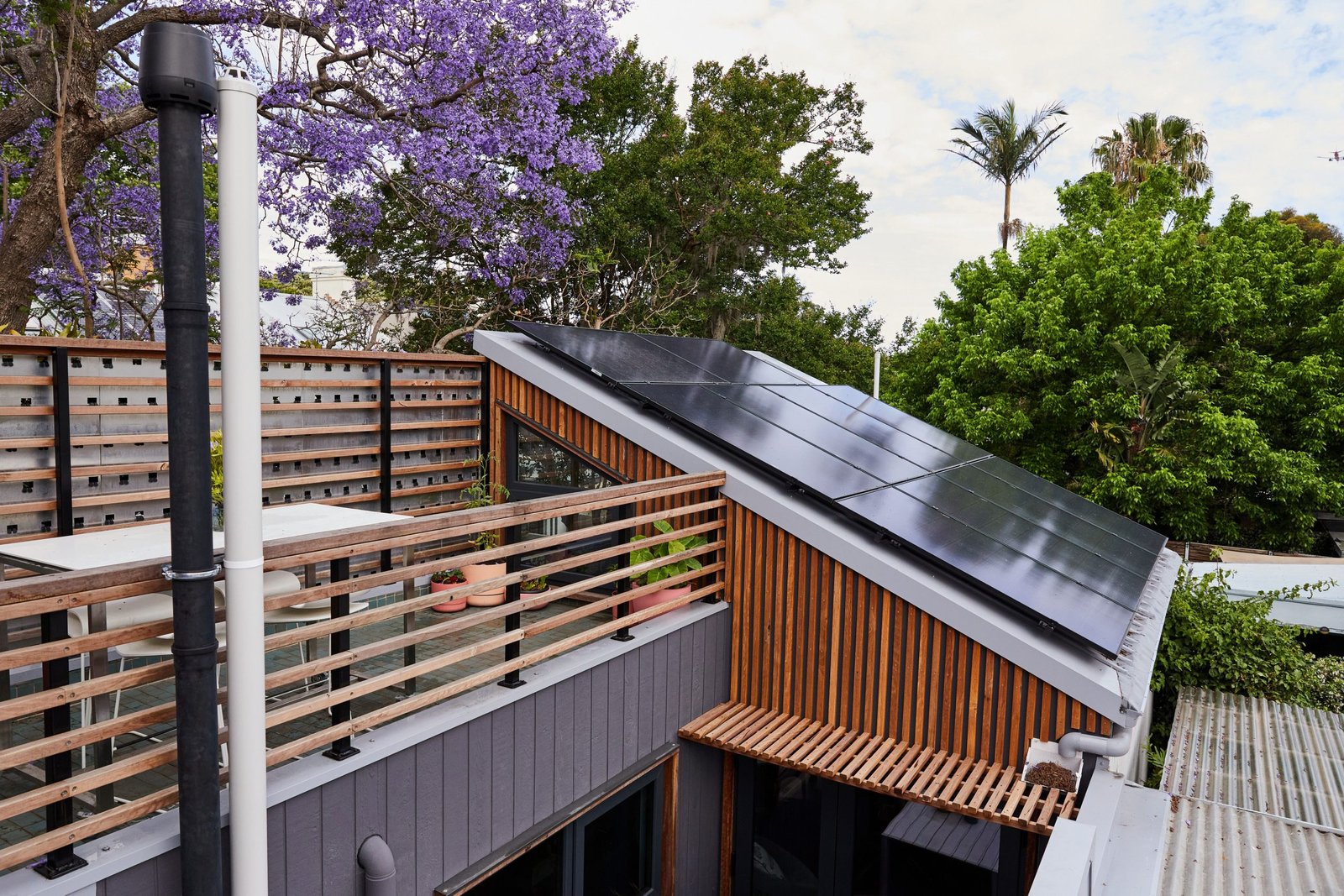
Energy and solar: A rooftop solar system generates renewable electricity, aiming for energy independence, supported by a high-capacity battery secured in a fire-resistant bunker.
Water: A custom designed off-grid water system, including rainwater harvesting and a storage system located under the floor of the home coupled with a greywater recycling system which treats and reuses household water, allow it to be completely self-sufficient for water.
Sewage and waste: An incinerating toilet means no water usage and no sewage output, producing just a cup of ash a week.
Interior and exterior design: The home prioritises furniture and finishes made from recycled, locally sourced and sustainable materials. A second-hand staircase and basin were restored, while cabinets, shelves, and doors from the original house were refurbished and refreshed with low-VOC paint. Floorboard joists were repurposed into a courtyard bench, and building material offcuts were creatively used, including making a chopping board. Recycled floorboards and bricks feature in the courtyards and throughout the house. By avoiding new purchases and opting for recycled furniture and materials, the design reduces waste and energy use while creating a unique and personal style. Additionally, carbon-sequestering paints and primers were applied both inside and outside.
Every decision we make can have a positive impact
“Creating a sustainable home isn’t just about installing solar panels or saving water,” Dr Ryan said. “Every decision we make can have a positive impact. From choosing more sustainable building materials, to embracing natural light, using recycled products, and choosing more sustainable paints – the possibilities for making our homes more sustainable are endless. I also want to show that a sustainable home can be modern and stylish. It doesn’t need to be a hippy log cabin.”
Finding the right solutions and trade partners was a challenge
The ImPossible House has been made possible thanks to leading experts in sustainable architecture and design, water, waste and solar energy, showing the power of collaboration and innovative thinking in sustainable home design.
“Finding the right solutions and trade partners was a challenge, but we built a fantastic, innovative and collaborative team, which made all the difference. I want others to know it’s possible and that there’s great support and guidance available to help them create a sustainable home,” Dr Ryan said.
Helping more Australians make smart, sustainable home choices
Dr Ryan hopes The ImPossible House will help accelerate the movement towards more sustainable urban living. She has created a series of free ImPossible House Guides, sharing insights and lessons learned during the project. These guides are designed to help Australians start their own sustainable journey, regardless of their budget or constraints.
“We’re in a climate crisis, and the choices we make at home can make a difference,” Dr Ryan said. “I have always been passionate about sustainability, and how we can reduce our impact on our planet and the environment. I understand that my journey, and building an ‘ImPossible House’, isn’t for everyone, but I hope it sparks ideas, inspires others and pushes the sustainable living conversation forward.”
Dr Ryan also highlights the need for change to make sustainable home choices easier
“A major hurdle for going completely off-grid, has been local council heritage restrictions meaning I have been unable to place solar panels on my street-facing roof. If we are to create more sustainable homes, this needs to change. We need smarter and more flexible policies that support, not hinder, the transition to more sustainable homes,” Dr Ryan said.
If you are interested in living more sustainably or building/renovating a sustainable home – you can access the free ImPossible House Guides at www.theimpossiblehouse.com.au. You can also go to Evitat.com.au to source sustainable products and suppliers.
The ImPossible House – Top 5 tips for creating a more sustainable home now:
- Make the most of research and review platforms: Platforms like CHOICE and Evitat help you quickly find sustainable products and services without the need for extensive research. From energy-efficient appliances to recycled materials, these platforms make sustainable home choices easier.
- Use recycled furniture and furnishings: Reuse old furniture and materials instead of buying new. Paint, repair, or repurpose items like shelves, pots or timber. Recycling reduces waste, uses less energy and is often cheaper, while giving your home a unique touch. We need to move away from the need for everything to be “brand new”- pre-loved items are just as functional and stylish and are much more sustainable.
- Choose recycled paint: Circle Paints turn leftover paint into affordable, high-quality options. It’s a simple way to refresh your home while keeping paint out of landfill.
- Use recycling programs: Services like TerraCycle handle hard-to-recycle items, from plastics to electronics. Order a collection box or use free recycling drop-off points to make recycling easy.
- Follow sustainability organisations that provide tips and advice: Learn from groups like 1 Million Women that provide simple, practical tips for improving sustainability and saving money. You can also follow the ImPossible House. Updates include lessons and research to save you time and hassle.